


The last time I was so profoundly moved by a film was in the spring of 2011. The credits rolled on Terrence Malick’s The Tree of Life at Sunshine Cinema (RIP) in New York City, and I spent the next three hours wandering the Lower East Side, contemplating the long summer light of childhood and, yes, the meaning of life.
I finally caught a screening of Hamnet, and it stirred something in me that hasn’t been touched since Malick’s masterpiece released fifteen years ago. Instead of The Lower East Side, DC’s Chinatown was the stage for my post-film wanderings.
It is director Chloé Zhao’s fifth film. Her breakout, Nomadland, won three Academy Awards back in 2020, including Best Picture and Best Director. She helmed Marvel’s Eternals the following year, which I enjoyed more than most but which met with a mixed reception. And then Hamnet released this past fall, adapting Maggie O’Farrell’s historical novel about the death of Shakespeare’s and Agnes’ son.
The film won the Golden Globe for Best Motion Picture - Drama and is up for eight Academy Awards, including (once again) Best Picture and Best Director.
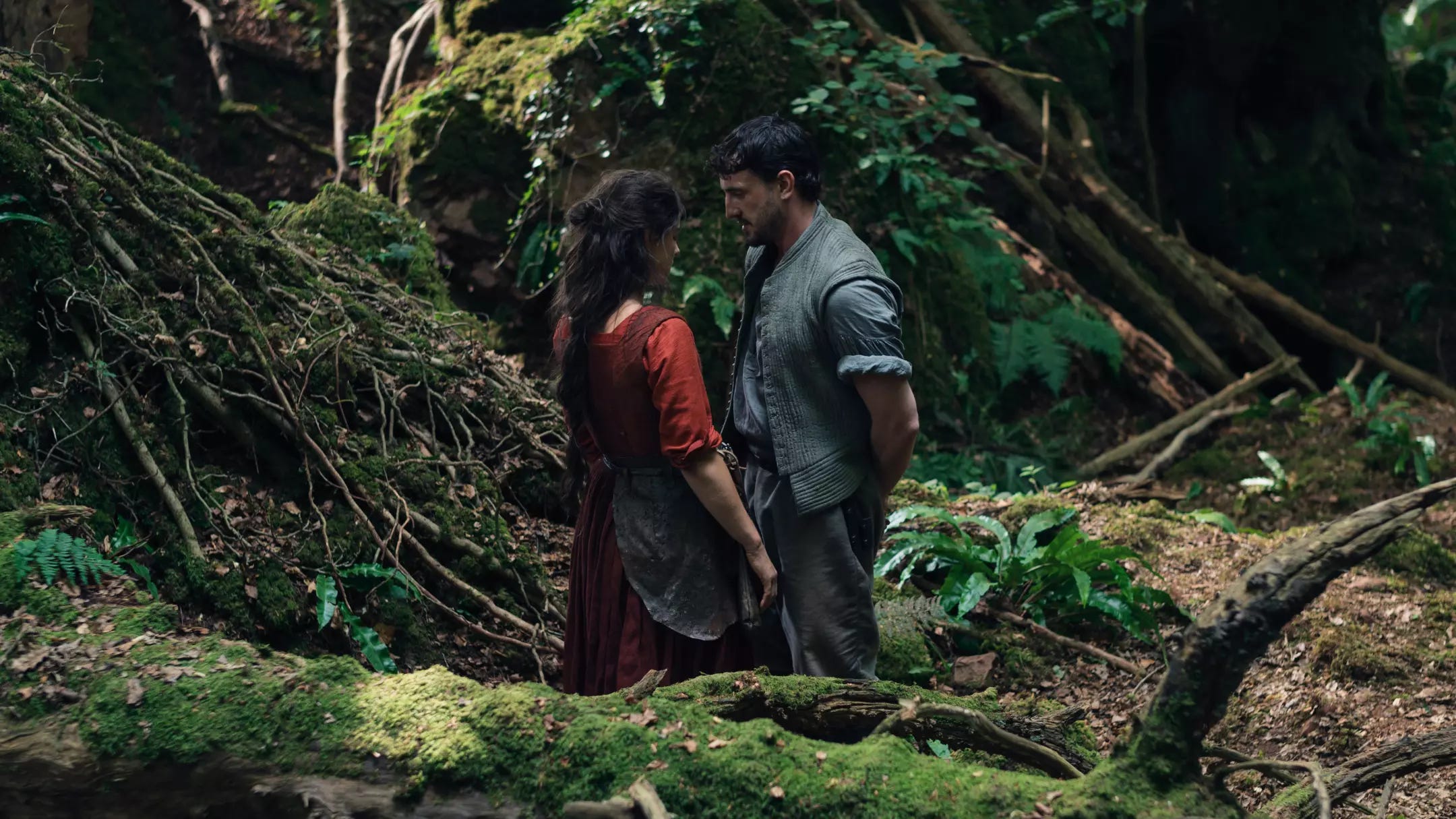
I’ve been surprised by the pushback online. In some circles, the film is dismissed as “a textbook version of what the critic Manny Farber called white elephant art”:
“To Farber, white elephant art was that which announced its aspirations to be treated as a masterpiece, ‘heavily inlaid with ravishing technique’ to such an extent that no life can exist within it. In its quest to show off its ‘prizeworthy creativity,’ the white elephant work betrays ‘the need of the director and writer to overfamiliarize the audience with the picture it’s watching:
To blow up every situation and character like an affable inner tube with recognizable details and smarmy compassion.’ Hamnet’s white elephantness is so thorough that one almost does not need to see it to have seen it… Diet Malick cinematography, a brilliant unruly performance from Jessie Buckley, and the theme of grief gonging the audience into submission again and again.”
Zhao’s film is dismissed as “dull”, “simplistic”, and hellbent on “forcing us into unearned emotional catharsis… The mirror Hamnet holds up is not to any truth about the human condition but to our clichéd ideas of what makes for a worthy movie.”
I could not disagree more, on every count.
Strangers do not sit in the dark while the credits roll, crying together, when a film dramatically misses the mark. One does not sob uncontrollably after the film lets out unless it’s striking something true. For me, Hamnet was the closest thing to a religious experience I’ve felt in years - it put me in touch with a part of myself beyond words.
Perhaps because it taps into something primal and terrifyingly human.
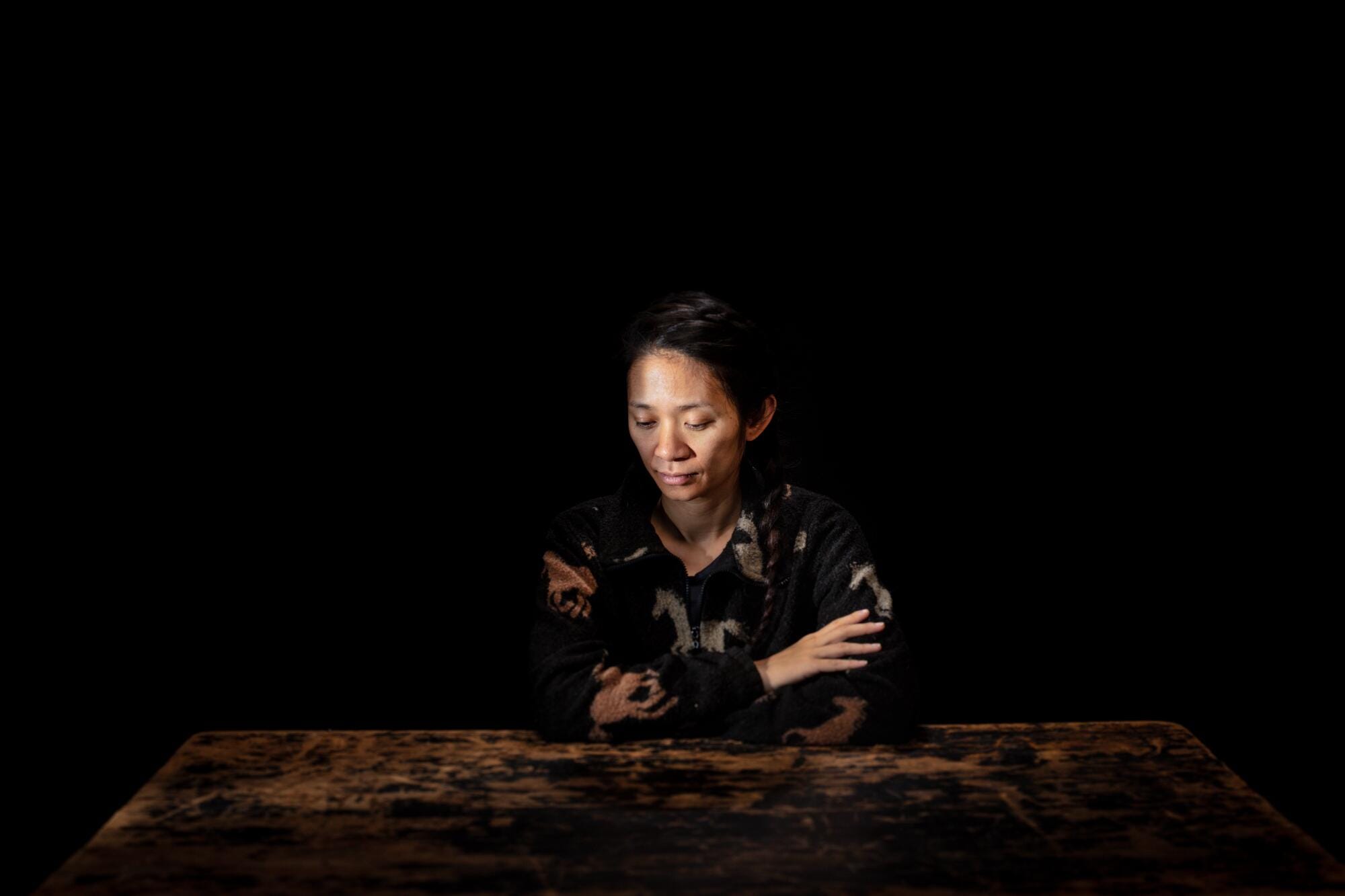
“I have been terrified of death my whole life,” Zhao shares in an interview with The New York Times. “And because I’ve been so afraid I haven’t been able to live fully. I haven’t been able to love with my heart open because I’m so scared of losing love, which is a form of death… It shouldn’t be this terrifying that I can’t even live.”
She continues:
“In Hamlet, there’s a line that goes, all things must die, ‘passing through nature to eternity.’ If you didn’t grow up with spirituality or religion, then the eternity part is out. You also lost your connection with nature, even your own body, so the passing-through-nature part is gone. All you have left is ‘all living things must die.’
Then it’s like, What’s the point? You’re separating from the oneness. I feel separated often from that oneness, and that illusion of separation makes me afraid to connect, afraid to create freely or even just live the way I want to live.”
This fear infuses every frame of Zhao’s film.
Hamnet pulses with a fierceness of spirit that bears the weight of crushing grief after the death of a loved one. It says, like Zhao herself - in its dialogue, through its impressionistic cinematography and dreamlike, elliptical editing, all of which invoke a sense of mysticism and transcendental relationship to the natural world:
“Keep your heart open.”
Risk love, though loss is guaranteed.
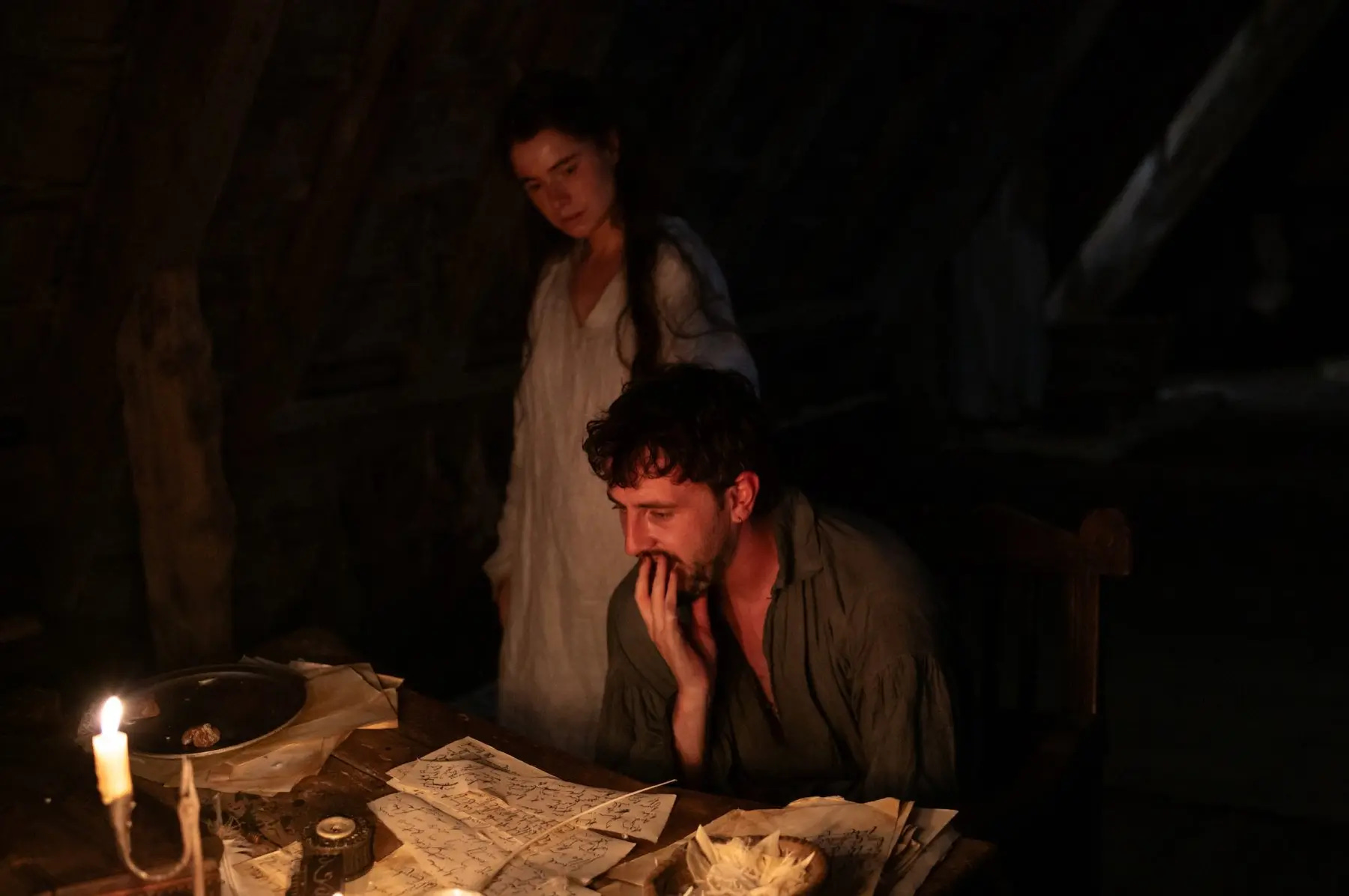
If we strip away all of the posturing, the over-intellectualization and highbrow “tastemaking” of the online discourse around the film, I suspect that some of the pushback comes from the fact that it makes people deeply uncomfortable.
It speaks a different language that bypasses the rational mind - intuitive, unapologetically raw, embodied in the cast’s fearless performances.
In describing her creative process, Zhao speaks of myth, comparing the role of the director to that of both a general and a priestess. “Both can evoke the desire for people to follow their vision… If you have only the priestess, it’s total chaos. If you have only the general, it’s total order and nothing else.”
Over the years, I’ve learned that the need to understand why I’m feeling a certain way is a form of control to help me manage my fear. It helps me feel safe.
General.
But sometimes, life is so chaotic, so destabilizing that there is no clear explanation.
Priestess.
Sometimes, life forces us to ask, in Zhao’s words, as Hamnet does: “Can I sit in that?”
I realized that that is exactly the sort of reflection The Tree of Life invited fifteen years ago. It offers no easy resolution, only truths about the human condition that can be uncomfortable to see. In so doing, art brings us face-to-face with ourselves.
Zhao has never met Terrence Malick, but on New Year’s Day, she received a phone call from a number she didn’t recognize. She thought it was the dog walker.
Disoriented, she picked up and heard “this very soft voice: ‘Hello, this is Terrence.’ …I won’t share what he said,” Zhao reflected, “But I said to him that I feel I come from a lineage that is found… I feel that I come from his lineage. It is very significant as a storyteller because you feel like you belong somewhere.”
No wonder The Tree of Life and Hamnet play in the same register.
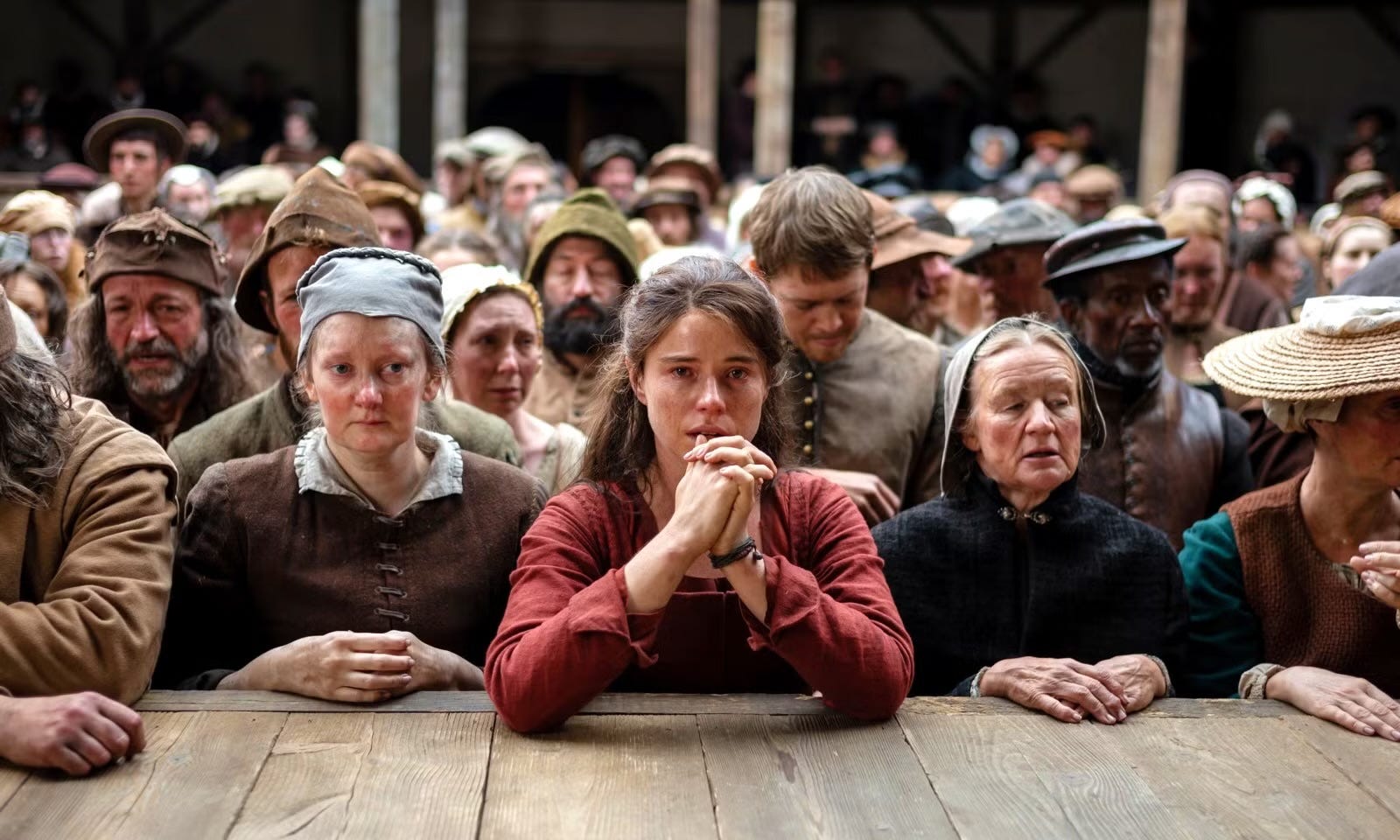
Part of that register, too, is Hamnet’s portrayal of the healing power of art. It is the truest representation of the creative process I think I’ve ever seen.
As artists, we take beauty and pain, joy and suffering, and we transmute it all into an experience for ourselves and others that invites those who engage with it into some aspect of the unsolvable mystery of being alive. It’s a principle that guides my own endeavors, from feature film screenplays to House of Snow.
That is why, for me, the act of creation itself is the reward. Making the thing - as part general, part priestess - is both journey and destination.
“Everything that I thought I wanted in life, or everything I thought about who I was, no longer is,” Zhao said. “So I’m at the end of that. Hamnet saved me in many ways, to have that film during that time.”
If that is “white elephant art”, then someone please tattoo it to my forehead.



Thanks: I haven't seen it but have read and was moved by the book. And I wasn't going to watch it but now definiely will. (I would also recommend The Blue Kaftan for similar reasons!)
Thank you so much for this piece. I couldn't agree more. I haven't been so moved by a film like this in years. I saw it a second time in the theater and was surprised again by the nuances and emotional depth. The film asks for you to move to a place of feeling rather than logic. As a director she is doing something very different, moving into a realm of the feminine. As a female filmmaker I find this film and her conversations around it deeply inspiring.